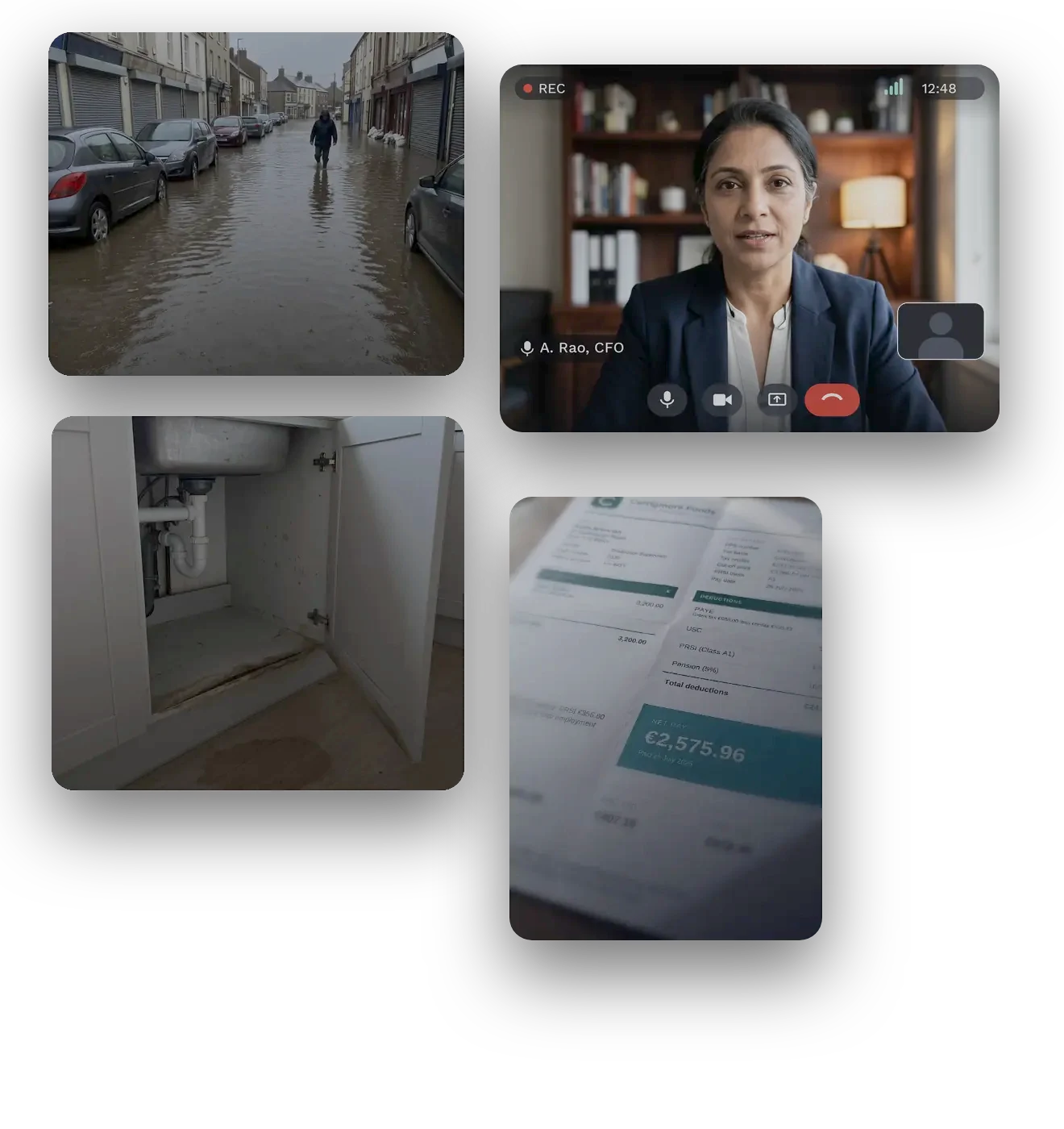
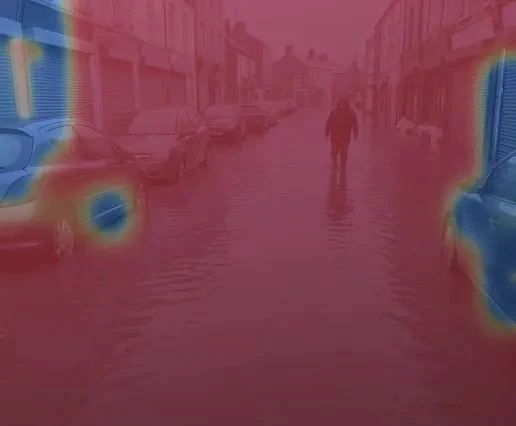
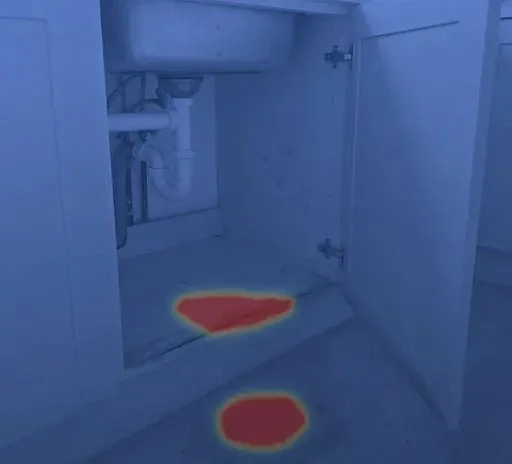
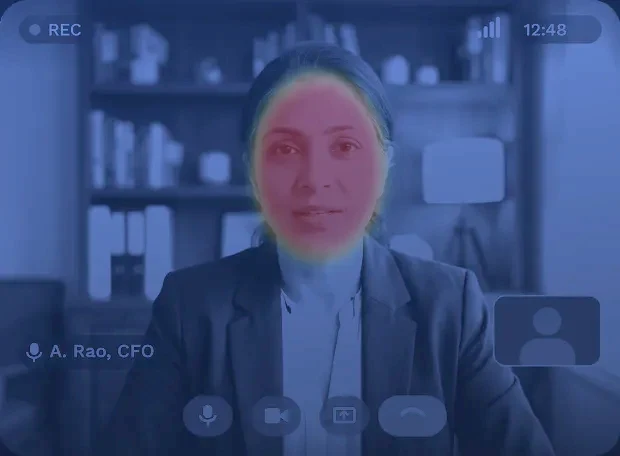


Making a fake leaves traces.
Label4.ai is the trust layer for content in the age of generative AI: wherever documents, photos, voices and videos come in, it reads those traces and tells you whether each one is what it claims to be, and why.


Suspect: generatedSuspect: manipulatedSuspect: face swappingSuspect: manipulated


Suspect: generatedSuspect: manipulatedSuspect: face swappingSuspect: manipulated93% of anti-fraud professionals don’t consider their organisation well prepared for AI-assisted fraud.
Sources: ACFE and SAS, March 2026, SAS via Insurance Business, Feb 2026, AXA España, April 2026, Hong Kong police via Business Insider, May 2024, Consumer Reports, March 2025, Forbes Italia, Sept 2026.
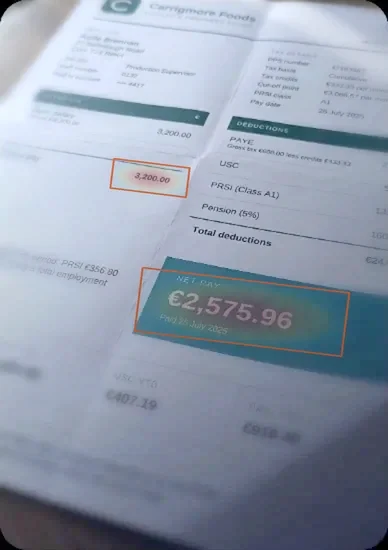
Claims, payslips, refunds, new accounts: generative AI now fakes the proof a process relies on. Label4.ai checks every photo and document before it is accepted.
A cloned voice on a call, a fake image in the newsroom: the attack comes through the content itself. Label4.ai tells you which content you can trust.
Label4.ai automates everything that can be automated: each piece of content is analysed the moment it arrives and anything that is not suspect carries on untouched, so your team only sees what deserves a human decision, with the reasons in front of them.
Claims, onboarding, lending files, newsroom images and calls reach your teams through the workflow you already run.
Label4.ai slots in as one brick, and nothing else changes in the way your teams work.
Together we choose how much your team wants to see, from the widest net to near-certain cases only.
Every photo, document, video or voice message is read automatically as it arrives. Genuine ones carry on, and suspect ones are set aside with the reasons written out.
Your team opens everything set aside, reads the reasons and makes the call, and anything they clear goes straight back into the normal flow.
The widest net. Your team reviews more and very little slips through.
A steady review load, with the clear-cut cases always caught.
Only near-certain cases are set aside, each one with solid reasons.
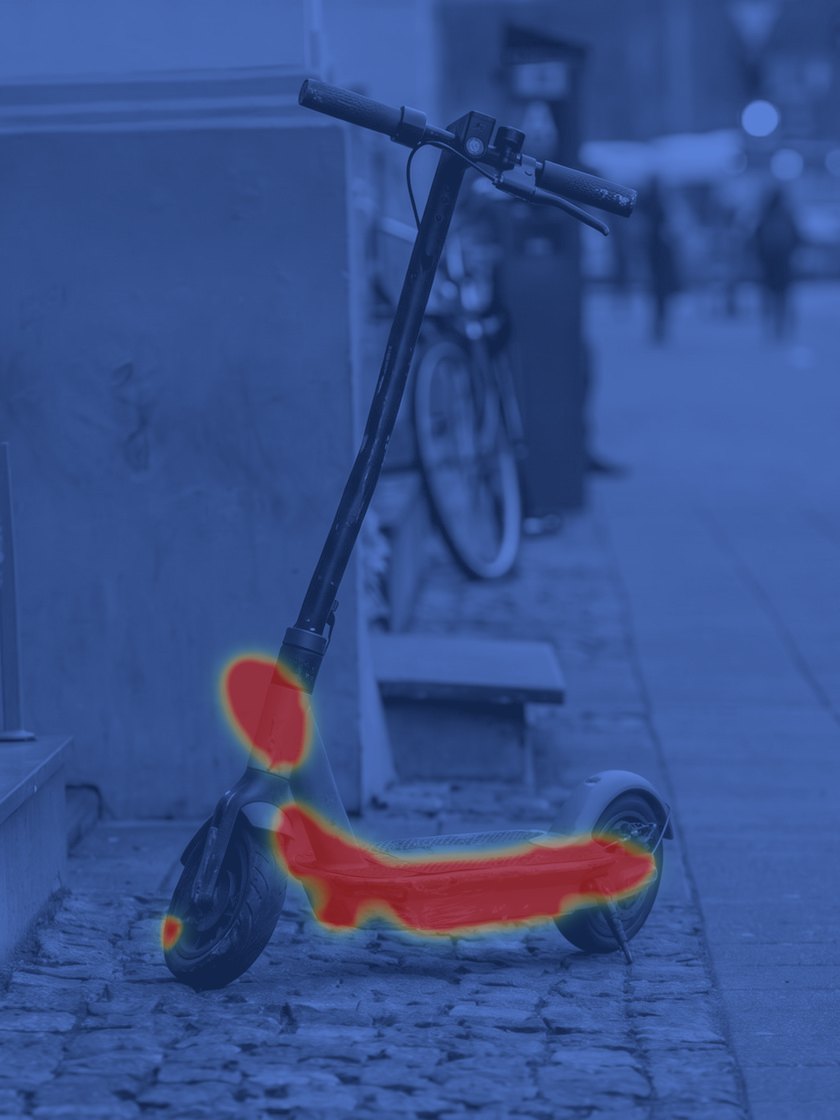
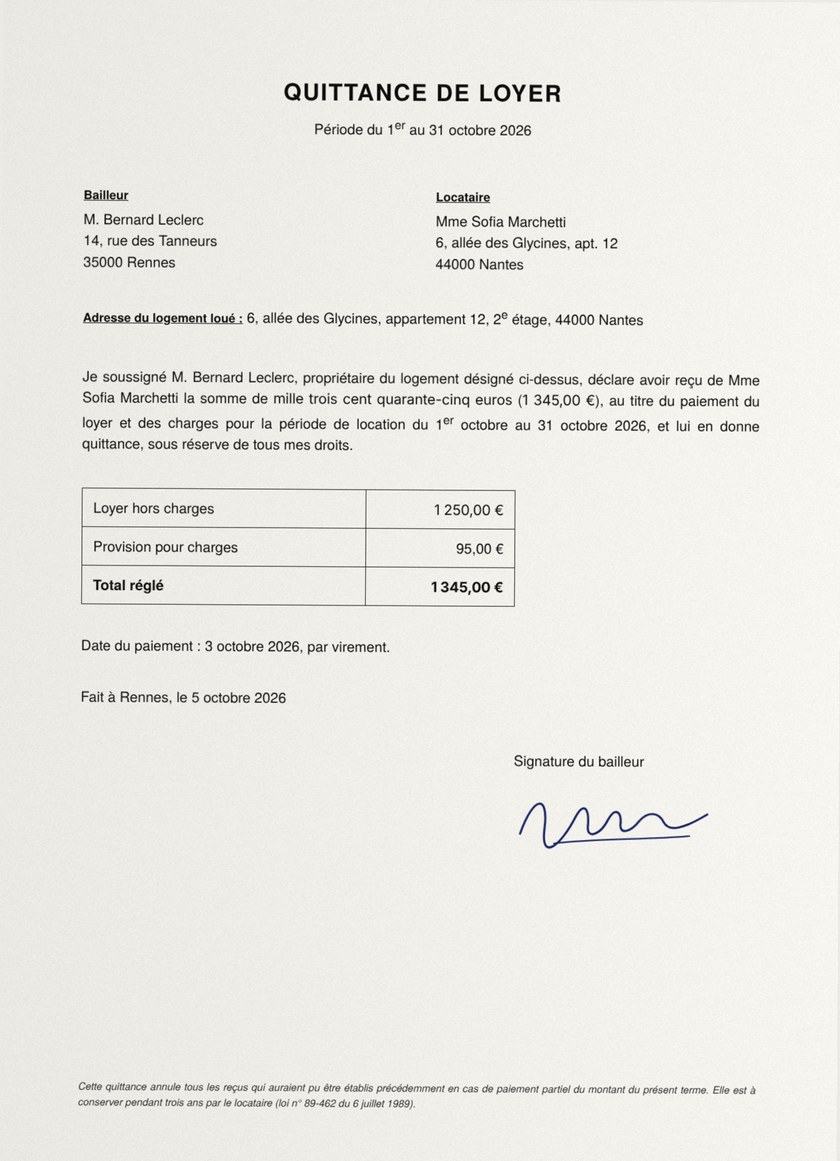
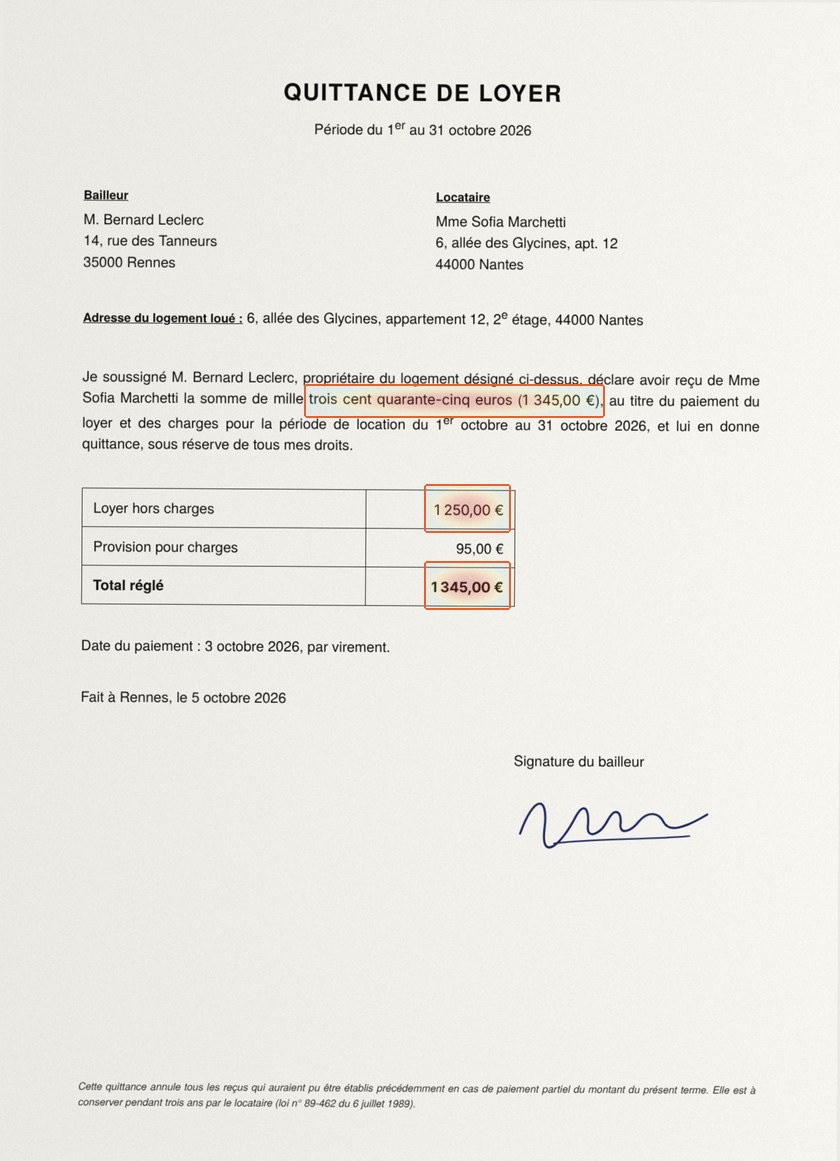
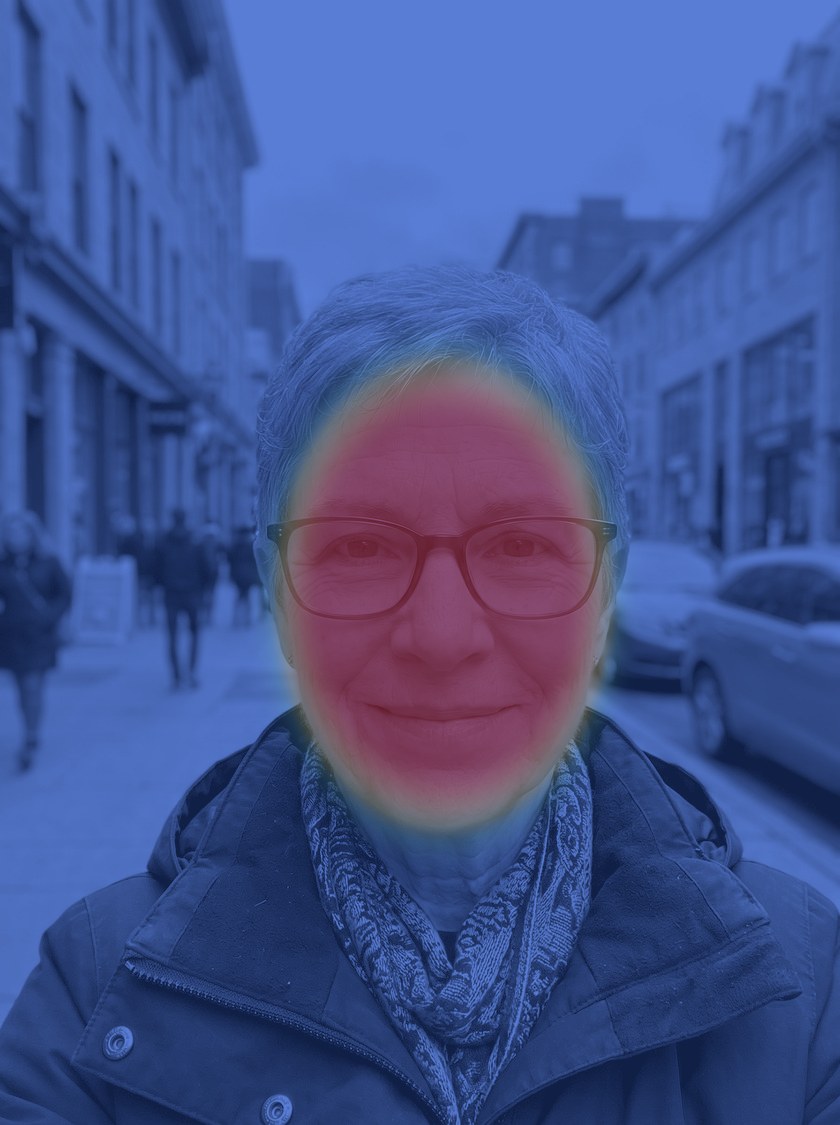
A conclusion, its reasons in plain words and the map of where the traces sit. Here on four examples, a claim photo where the damage was generated, a genuine rent receipt with its amounts changed, a selfie with a swapped face and a phone call where one of the two voices is synthetic. Illustrative examples.


claim_scooter_damage.jpgJPEG image, 3.1 MB
rent_receipt_october.pdfPDF document, 1 page
selfie_onboarding.jpgJPEG image, 1.8 MB
call_recording_support.wavWAV audio, 2 speakers, 12 seconds
Recommended action: Refer the claim to an expert before payment.
18 checks performed, across AI generation, partial editing, metadata and edit history
Recommended action: Ask the applicant for the original before going further.
16 checks performed, across partial editing, AI generation, metadata and edit history
Recommended action: Ask for a live selfie check before opening the account.
17 checks performed, across face manipulation, AI generation, metadata and edit history
Recommended action: Call the customer back on a known number before acting.
14 checks performed, across voice synthesis, speaker separation, metadata and edit history

No LLM: the same content, analysed twice, gives the same report twice, with its reasons in plain words.
One entry point, dozens of detectors, with rules and sensitivity set for your process.
Documents, photos, videos and voices go through the same API.
The whole stack installs inside your infrastructure, with no outbound connection and the same models as our cloud, and your data never trains our models.
See where it runs →Research Award and Jury’s Favourite, a first for the forum
The national award for technology that comes out of research
International competition for new technology brought to market
PartnersSopra Steria, Capgemini and b<>com
![]()
![]()
![]()
![]()
![]()
![]()
![]()
Images, documents, video and audio. We read how content was made, not what it shows, so neither the language nor the subject changes the result: a payslip in Finnish is read like a payslip in French.
Because it cannot be reliably established: text keeps no trace of how it was made, and rewording is enough to change its style. Comparing a piece of writing with the style of known AI models remains possible where the human author is the whole point, such as literature, but it is a comparison, not proof. Beyond that, writing with AI is nothing unusual: what matters is what a piece of content claims to be.
Every trace a piece of content carries. The signatures a generator placed on purpose, the artefacts it left without meaning to, and what the metadata records of the tools that touched it. Generation and manipulation come back in one analysis, never in two.
Three things. Meaning: content can be perfectly authentic and still say something false, and we never tell you whether it is true. Context: duplicates, a supplier that does not exist, a history of past claims. That lives in your systems, not in the content. And weakened cases: a document printed and rescanned, or built from scratch in a word processor by faithfully copying the layout of a genuine document, carries far fainter traces. We tell you which of the three you are in before the analysis, not after.
The one we measure with you, on your own content. Public benchmarks are useful for research and we use them to improve our models, but they don’t tell you what will happen in your organisation: their files don’t look like the ones you receive, the generators they contain have often already been replaced, and a detector can learn to shine on them without doing better anywhere else. So before any commitment, we measure on your files the fakes caught, the fakes missed and the false alerts, at the threshold that suits your business. That is the figure that tells you whether your problem is solved.
Everything the content gives up: a conclusion with its reasons, a map of the zones carrying the traces, what the metadata records, and whether a known generator signature is present. Enough for whoever reads it to decide whether the content can be trusted, and to justify that decision afterwards.
Label4.ai runs in our cloud or on your own servers, whichever suits you. On your servers, the stack installs inside your infrastructure with no outbound connection, so nothing reaches us at all; in our cloud, your content is analysed and never used to train our models.
The AI Act asks providers of generative AI to make what their systems produce identifiable as such, and asks those who publish deepfakes to disclose them. If you receive content rather than produce it, the Act asks nothing of you, and Label4.ai is how you protect yourself. We took part in drafting the Code of Practice on transparency that applies it.
Have a document, a photo or a voice you are unsure about?
Send us a batch of your own content for a pilot, and we will tell you what each one carries and the evidence behind it.