The claims handler who opens a motor claim is usually looking at a picture taken on a phone in a car park and sent through the app late in the evening, and what they have to settle is whether the payout can go ahead or whether the claim needs an expert, with a reason they can write down either way.
Checks every piece of a claim, from the photos and videos to the repair quotes and invoices, and tells the handler whether AI produced or edited it, in words they can paste into the claim.
See how we check documents →
A generated dent or a rewritten quote looks like any other piece of the claim, and the checks in place were never built to question how it was made.
Motor, home, travel and gadget claims teams at insurers, MGAs and claims outsourcers, and the loss adjusters who work with them.
The problem
Reverse image search, claims rules and the handler's eye are good at spotting a picture taken from somewhere else or damage that was staged, and a photo of a real car with a dent generated into it gives them nothing to find.
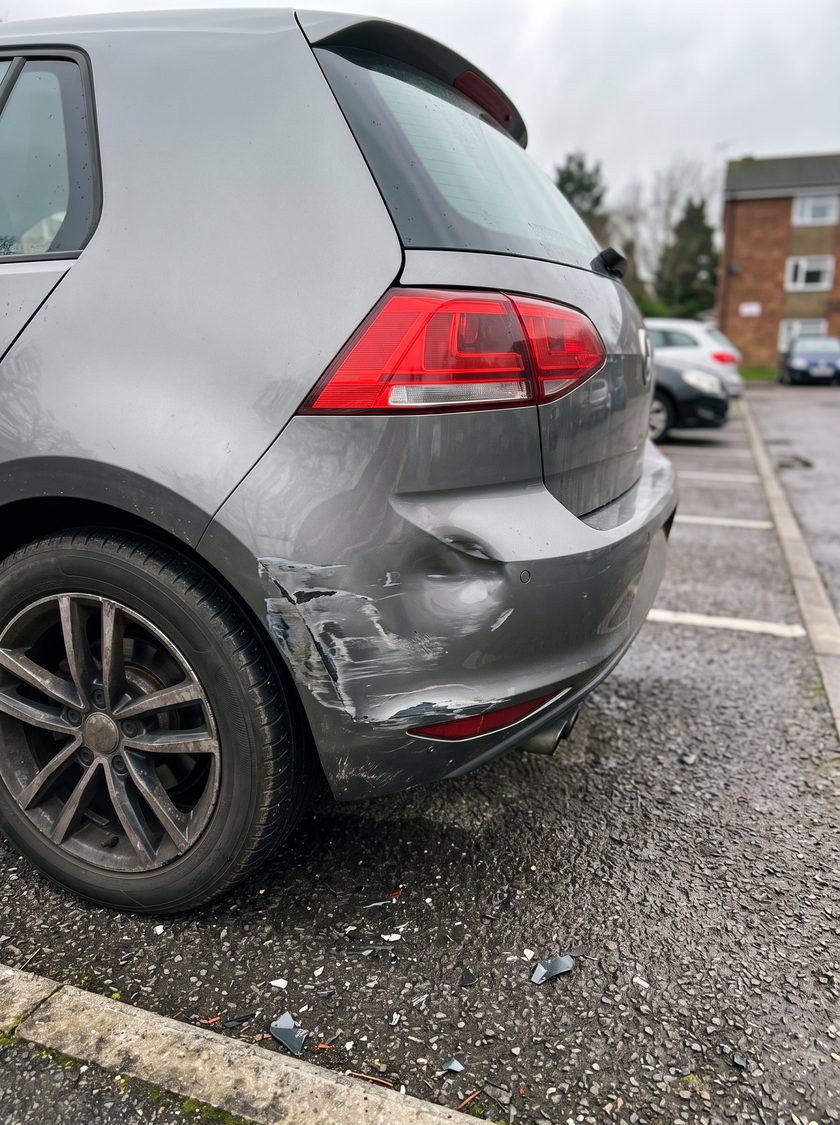
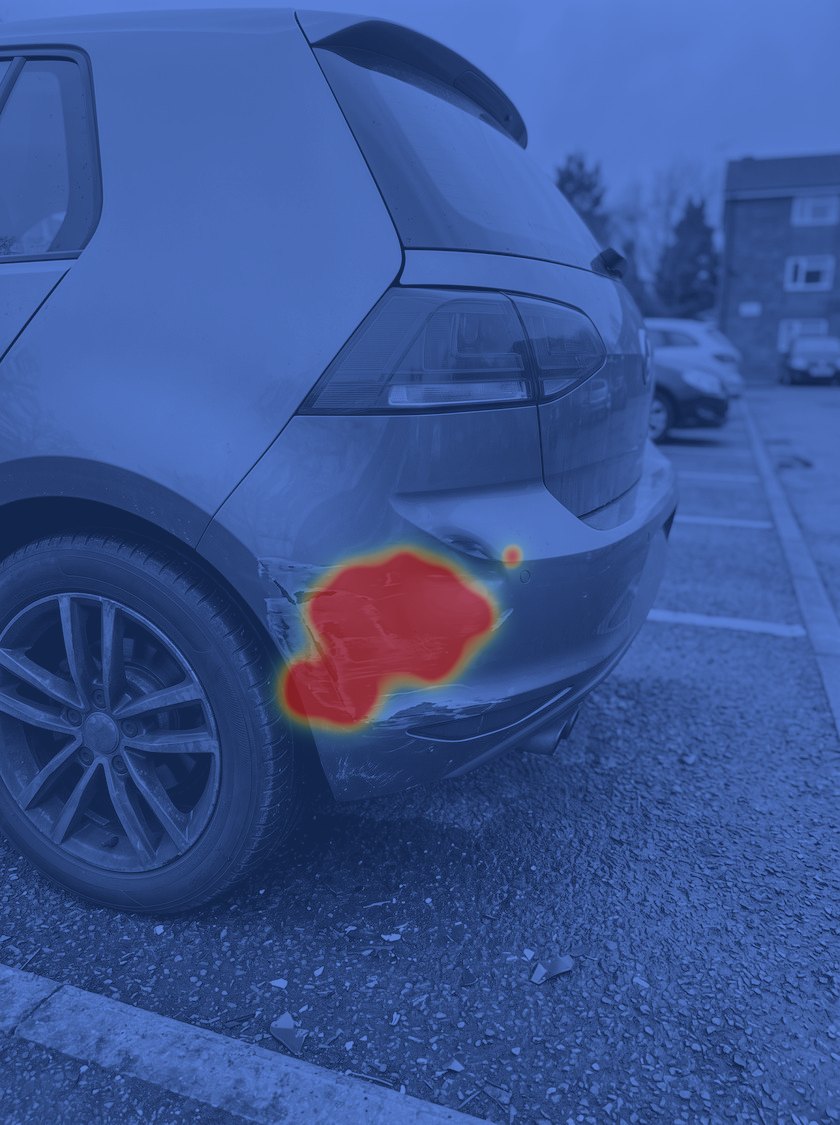
A genuine photo of an intact car, with a dent generated into the bumper. The car, the plate and the car park are all real, which is what makes the picture so convincing.
A small real mark, enlarged by a model until the repair estimate moves into another bracket. The claim itself is legitimate, and only its size has changed.
A real repair quote from a real garage, with the labour line and the total rewritten. The layout, the logo and the stamp are untouched, and only the edited lines carry the traces of the change.
Three photos sent for one water damage claim, each from a different angle, and the same model produced all three. Each picture looks ordinary on its own, and the link appears once you can read how they were made.
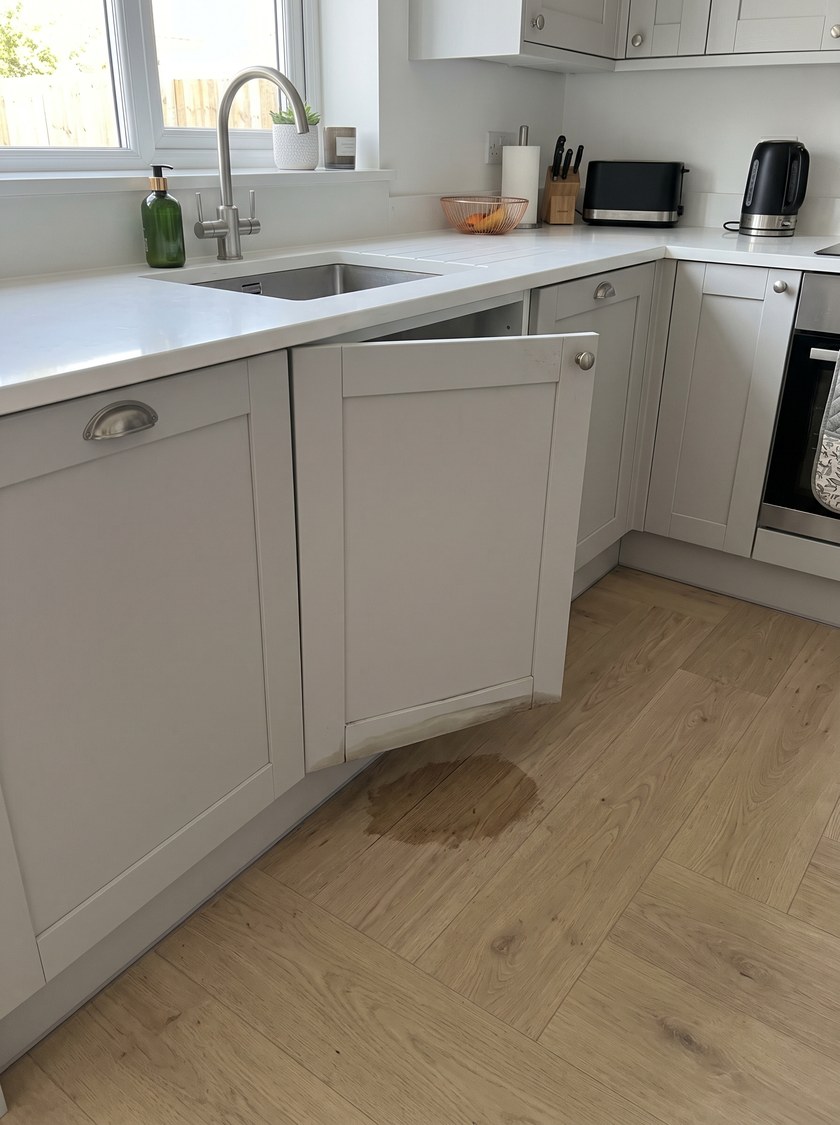
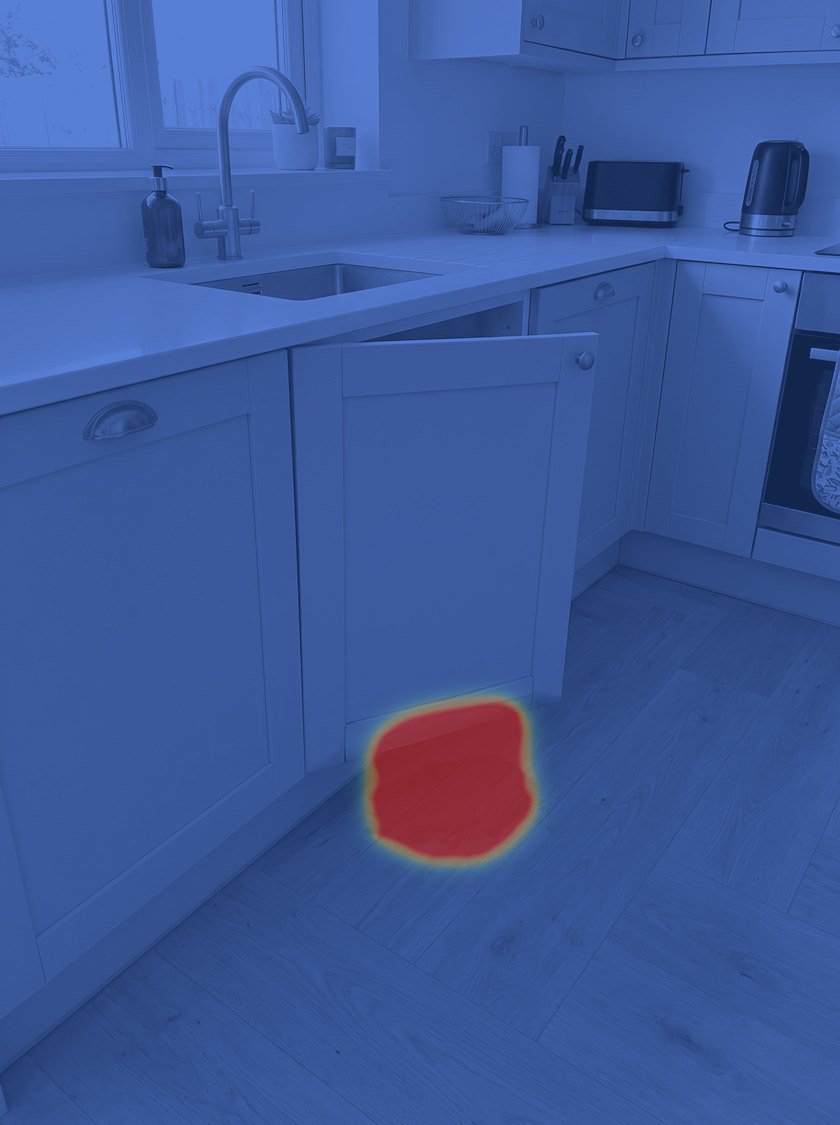 Photo 1 of 3
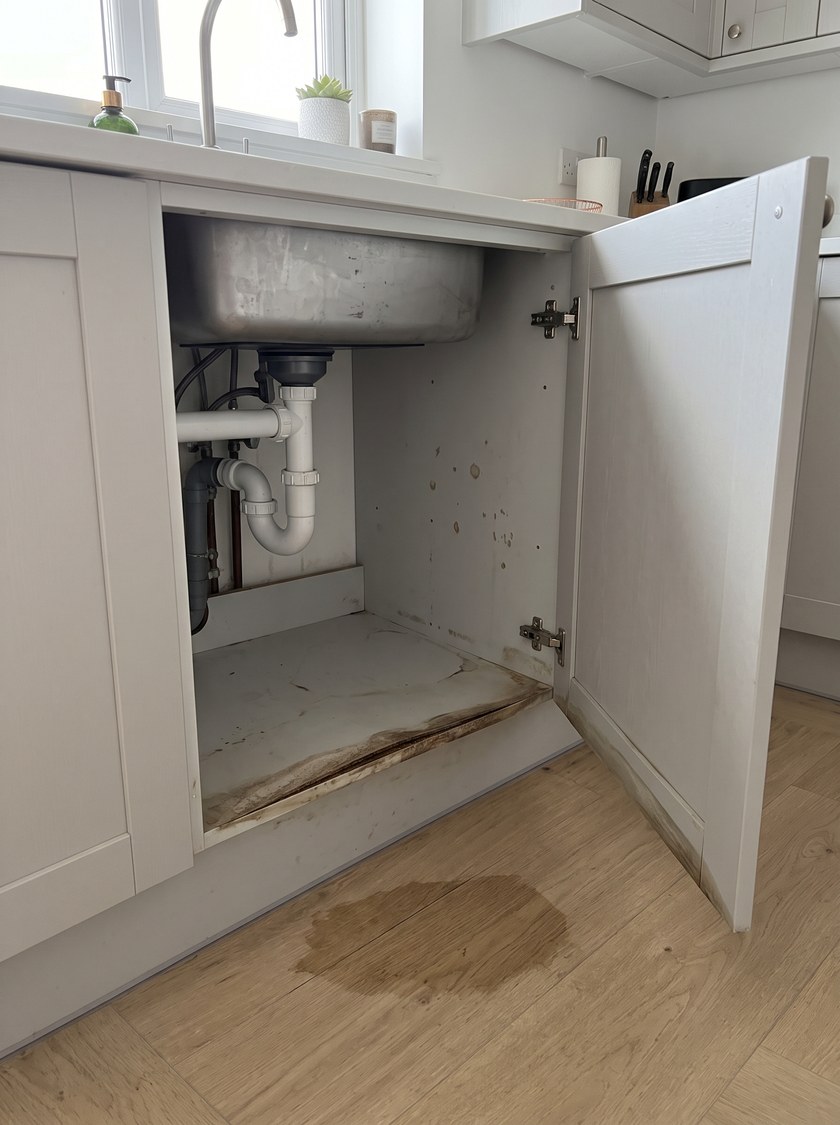
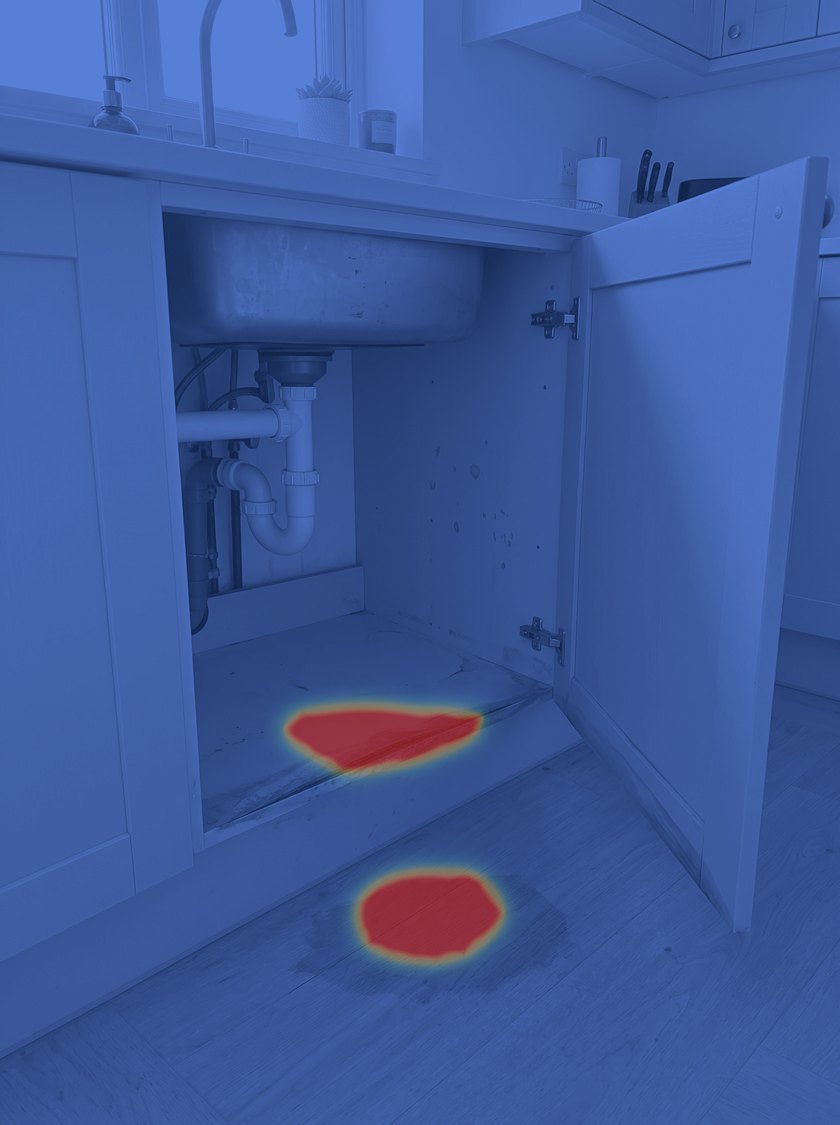 Photo 2 of 3
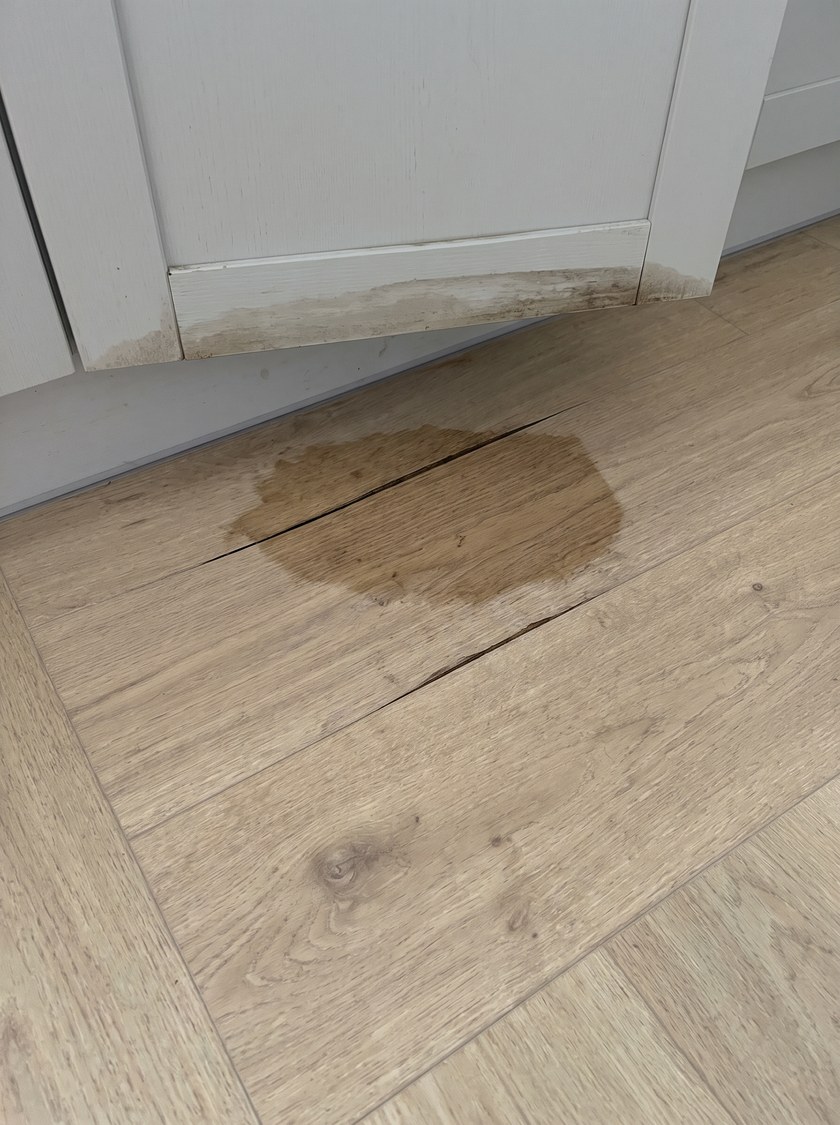
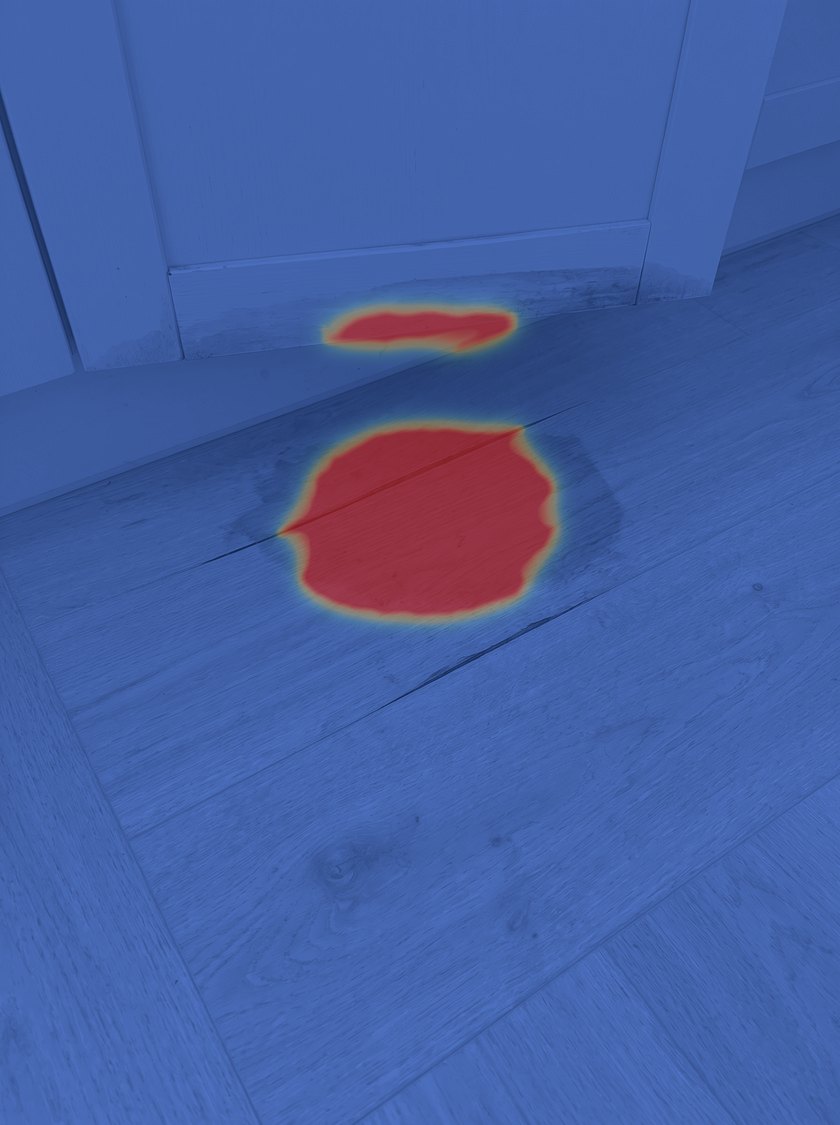 Photo 3 of 3
In figures
of insurance fraud was identified by French insurers in 2025, two thirds of it in motor, home and liability claims.
Source: ALFA, July 2026of claims professionals say they have already come across manipulated or AI-altered documentation.
Source: Verisk, March 2026of them feel very confident that they could recognise a deepfake.
Source: Verisk, March 2026Fraudulent claims stopped before payout, per year
kept each year at €3,700 per stopped claim (AXA España, April 2026), before counting the hours your handlers no longer spend on photos that look fine.
Our answer
Label4.ai adds one question to the checks you already run, and leaves the rest of your process as it is.
App, e-mail, broker portal or phone line, whatever your intake already is.
Reverse image search, claims rules, the fraud score you already run. Unchanged.
Is this picture what it claims to be? Checked automatically as it arrives, in seconds, with its reasons.
Settle, send an expert, or refer to the fraud team, with the reason written down.
The handler sees the conclusion first, then three sentences written in the words of the job, like these.
How we do it
It runs in our cloud or on your own servers, through the Anomaly Engine console or the API.
See the technology in detailYour content
You send a batch of claim photos whose outcome you already know, including the frauds you caught and the ones you found out about too late. We come back with a result for each picture, your false alarm and missed fraud rates, and a plain statement of what we did not see.
We reply to every request within two working days, under NDA if you prefer.