For each “damaged on arrival” request, the agent has one photo, an order history and little time. They have to choose between refunding straight away and asking for the item back, with a reason to record either way.
Checks the photos and receipts sent with a refund request and tells the agent whether AI produced or edited them, in words they can paste into the ticket.
A crushed box or a cracked screen now takes a few seconds to generate, and a refund granted on a picture is money that rarely comes back.
Customer service teams at retailers, marketplaces and carriers handling damaged, missing or not-as-described claims, and the outsourced support teams who run them.
The problem
Order history, return rules and abuse scores look at who is asking and how often, and a convincing photo of a damaged parcel sent from an account with a clean history gives them no reason to hold the refund.
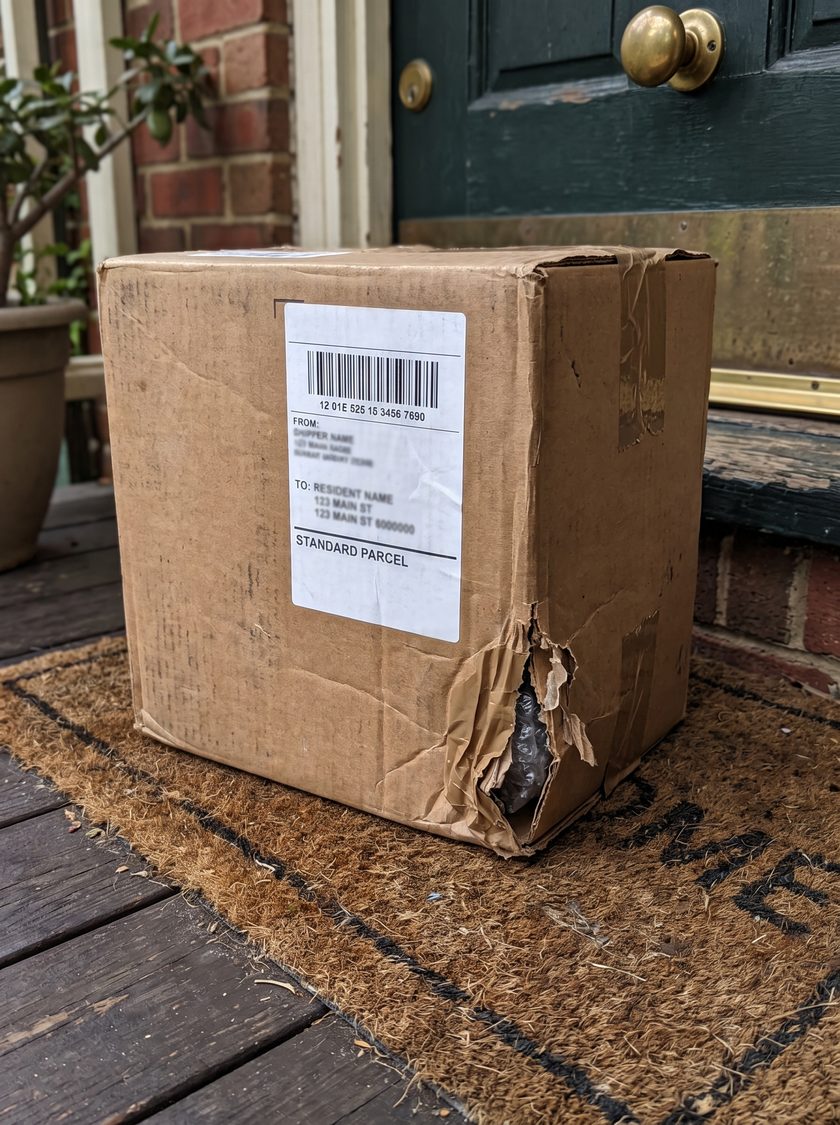
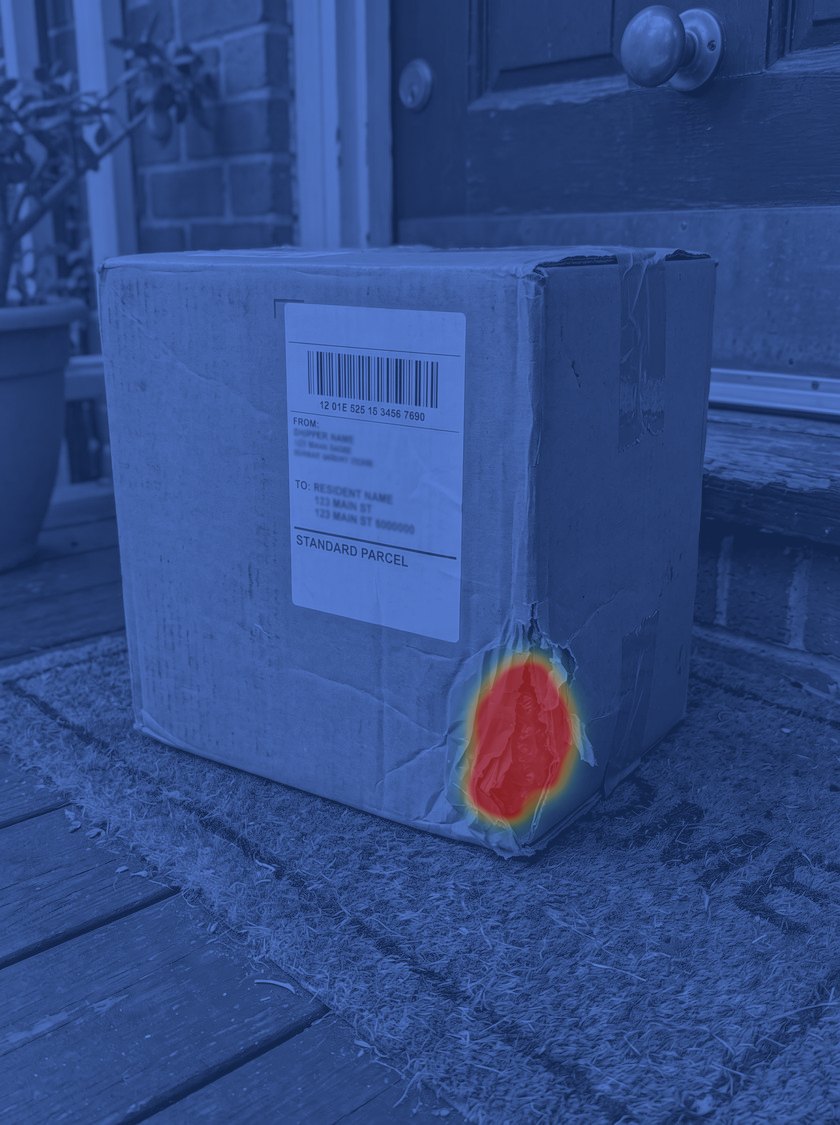
A genuine photo of a delivered parcel, with a torn corner generated into it. The label, the doorstep and the doormat are all real, which is what makes the picture so convincing.
A photo of the item itself, with a crack, a stain or a missing part added by a model. The order is real and the product was delivered, and only its condition has been rewritten.
 What your eyes see
 What we see
The parcel arrived, the phone was intact, only the crack across the screen was generated.
Accounts, addresses and products all differ, yet the same model sits behind every picture. Each request looks ordinary on its own, and the link appears once you can read how the photos were produced.
In figures
a year is what refund fraud could cost UK online retailers, according to the first estimate of its kind.
Source: Cifas and University of Portsmouth, May 2026of returns in the United States are fraudulent, on nearly $850bn of goods expected back in 2025.
Source: NRF, October 2025of UK businesses say they are affected by returns and refund abuse.
Source: Forter, reported by Retail Gazette, June 2026Our answer
Label4.ai adds one question to the checks you already run, and leaves the rest of your process as it is.
Help centre form, chat, e-mail or marketplace dispute, whatever your intake already is.
Order history, return rules, the abuse score you already run. Unchanged.
Is this picture what it claims to be? Checked automatically as it arrives, in seconds, with its reasons.
Refund, ask for the item back, or pass to the abuse team, with the reason written down.
The agent sees the conclusion first, then three sentences written in the words of the job, like these.
How we do it
It runs in our cloud or on your own servers, through the Anomaly Engine console or the API.
See the technology in detailYour content
You send a batch of refund photos whose outcome you already know, including the frauds you caught and the ones you found out about too late. We come back with a result for each picture, your false alarm and missed fraud rates, and a plain statement of what we did not see.
We reply to every request within two working days, under NDA if you prefer.