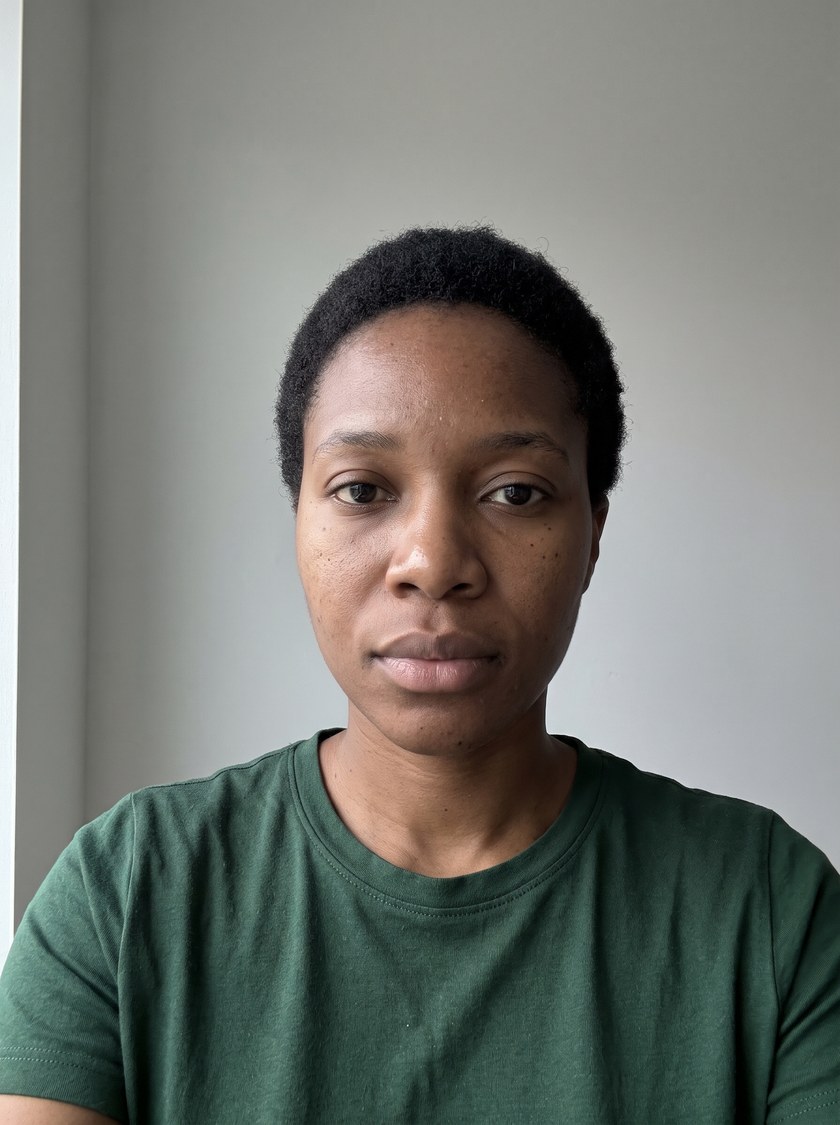
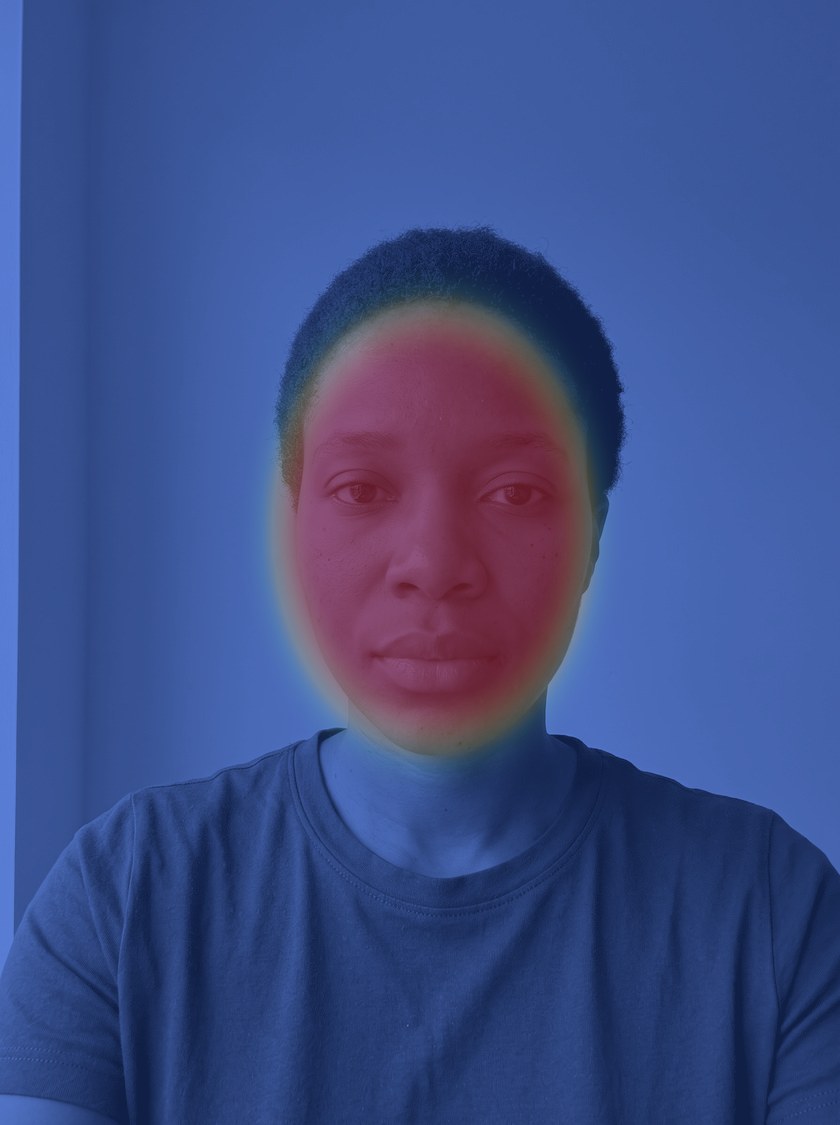
An identity check runs a selfie and a document match in the time it takes a customer to hold up a phone, and the face being matched can now be produced by a model even faster than that.
Checks the selfies, liveness videos and ID images that pass through your verification chain, and tells your decision engine whether AI generated or edited them.
A face produced by a model now looks like any other selfie, and once it gets through onboarding it opens an account that every fraud that follows can use.
KYC and identity verification vendors, who can run it under their own brand, and the fraud and security teams at the banks, fintechs and platforms they serve.
The problem
Face match and liveness were built to catch someone holding a photo, a mask or a phone up to the camera, and the generated face of today often never passes in front of a camera at all: it is injected straight into the stream through a virtual camera or an emulator, and it moves, blinks and matches the document it was made with.
A real person in front of the camera with another face laid over theirs, frame by frame. The liveness gestures are genuine, which is why the session looks so natural.
A selfie and an ID photo generated together so that they match each other perfectly, for an identity that has never existed anywhere else.
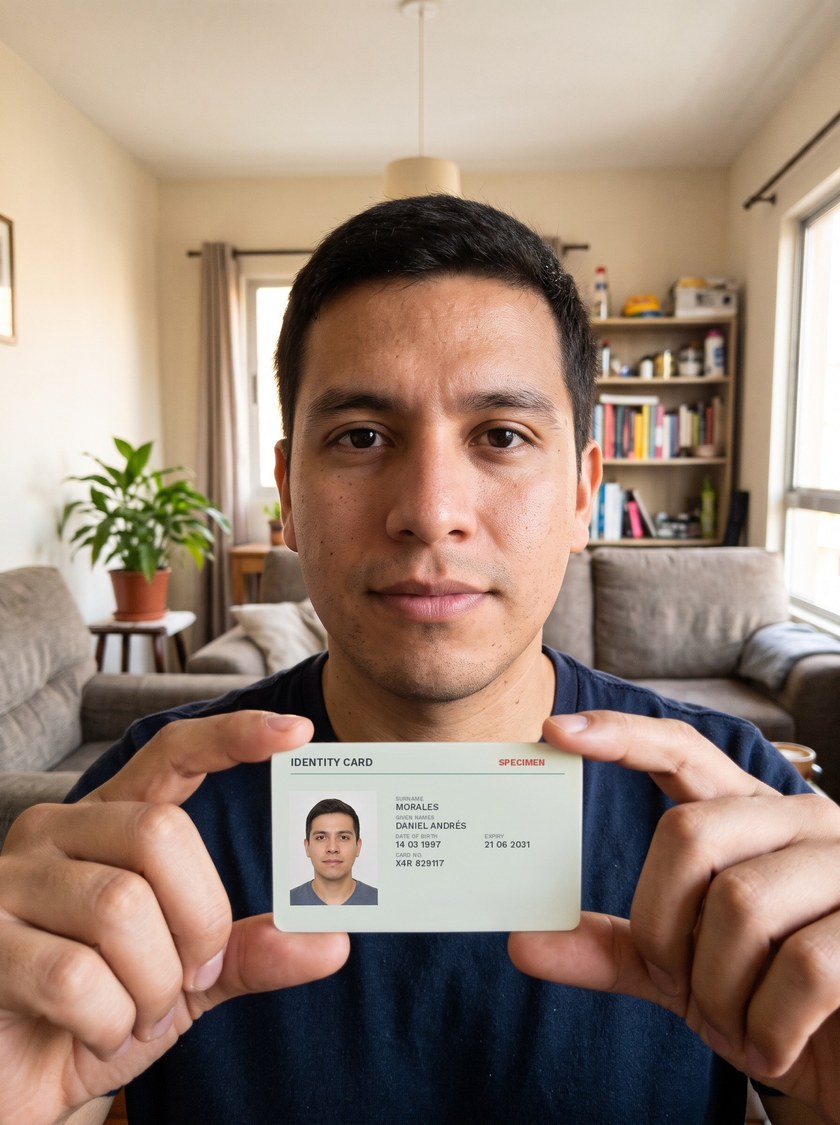 What your eyes see
 What we see
The face and the card photo carry the traces of the same model.
Hundreds of onboardings spread over weeks and countries, with the same model producing every face. Each session passes on its own, and the link appears once you can read how the images were made.
In figures
biometric fraud attempts is now a deepfake, and deepfaked selfies rose by 58% in 2025.
Source: Entrust, 2026 Identity Fraud Reportdeepfake fraud attempts in France in 2025, and 94% more in the United Kingdom.
Source: Sumsub, Identity Fraud Report 2025-2026virtual camera attacks on remote identity checks, which feed a generated face straight into the session.
Source: iProov, Threat Intelligence Report 2025Our answer
Label4.ai adds one question to the checks you already run, and leaves the rest of your process as it is.
App, web flow or branch tablet, whatever your capture already is.
Document authenticity, face match and liveness. Unchanged.
Is this face what it claims to be? Checked automatically as it arrives, in seconds, with its reasons.
Approve, ask for a new capture, or send to manual review, with the reason written down.
The reviewer sees the conclusion first, then three sentences written in the words of the job, like these.
An identity check already has two lines of defence against a fake face, and Label4.ai adds a third one that looks at the content itself, so a generated face is caught whichever way it reached your flow.
A printed photo, a mask or a second screen held up to the camera.
The camera is bypassed and a stream is fed in through a virtual camera, an emulator or a modified app.
A face swap, a face that belongs to nobody, an ID photo produced to match it.
We do not rely on blinking, lip sync or skin texture, because each new generation of models corrects them. What we read is left by the way the content was produced, and it is still there when the face looks perfect.
Calls, voice messages and video meetings are covered by Deepfake & Impersonation, with the same analysis applied to the voices and faces that reach your teams.
How we do it
It runs in our cloud or on your own servers, through the Anomaly Engine console or the API.
See the technology in detailYour content
You send a batch of captures whose outcome you already know, including the attacks you caught and the ones you found out about too late. We come back with a result for each capture, your false alarm and missed fraud rates, and a plain statement of what we did not see.
We reply to every request within two working days, under NDA if you prefer.