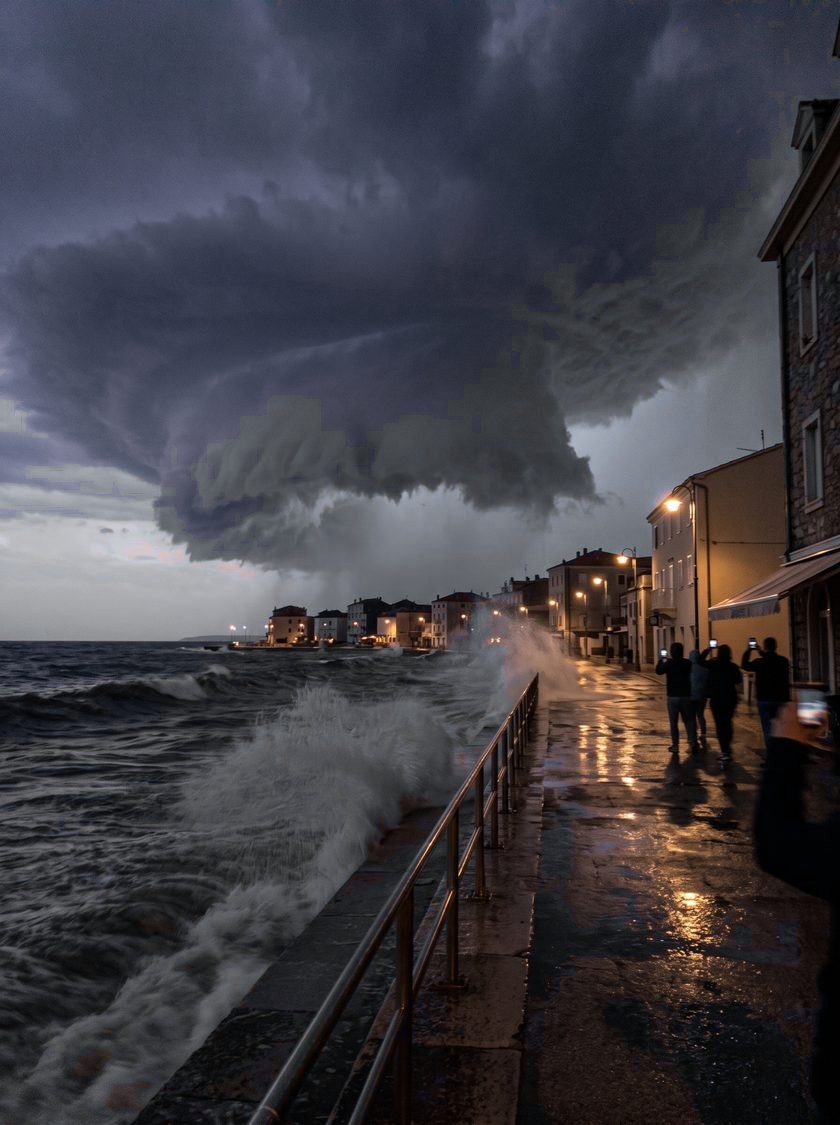

The photo desk that receives a dramatic image from a reader, a stringer or a social feed has to decide quickly whether it can run, and the storm, the crowd or the flood in it can now be produced by a model in seconds.
Checks the images, videos and audio that reach your desk, looks first for the signature left by the generator and then for the traces a model leaves in the content, and tells the editor what it found before anything is published.
A storm, a crowd or a flood can now be generated in seconds, and one published fake costs a newsroom far more than the minutes it takes to check.
Newsrooms, photo agencies and platforms handling wire photos, reader submissions and social posts, and the verification teams who serve them.
The problem
Source checks and reverse image search were designed to catch a real photo taken somewhere else or at another time, and a picture generated a few minutes ago has no earlier version anywhere for them to find.
A storm, a fire or a protest that never happened, posted minutes after a real event starts and shared faster than anyone can check it.
A genuine picture in which a sign, a flag or part of a crowd has been added or removed, so the scene is real and one element of it is invented.
 What your eyes see
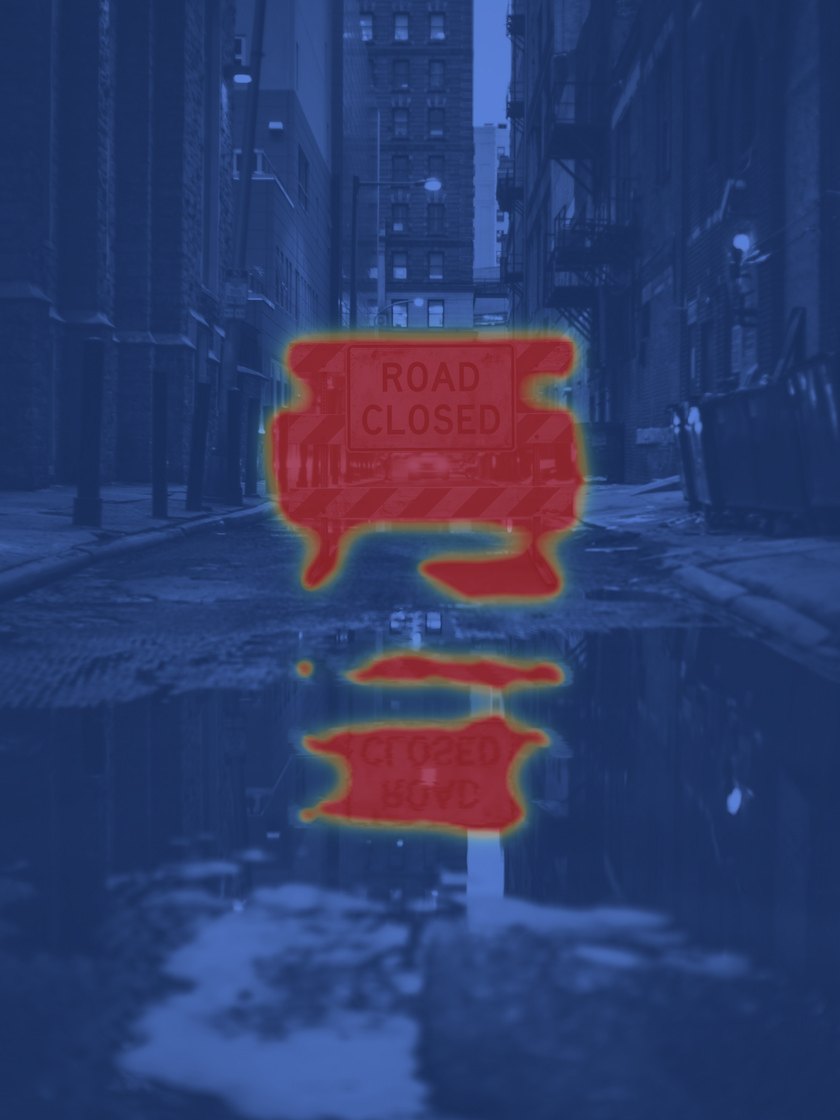 What we see
A genuine street photo in which only the barrier and its reflection were added.
Accounts that feed a story with dozens of images from the same model, each one plausible on its own and linked once you can read how they were produced.
In figures
of people trust most news most of the time, the lowest level since 2015.
Source: Reuters Institute, Digital News Report 2026of people say they are concerned about what is real and what is fake online.
Source: Reuters Institute, Digital News Report 2026of news images and videos carry provenance data that could prove where they come from, by an estimate the institute quotes.
Source: Reuters Institute, Trends and Predictions 2026Our answer
Label4.ai adds one question to the checks you already run, and leaves the rest of your process as it is.
Wire, upload portal, e-mail or social feed, whatever your desk already uses.
Source verification, reverse image search and the editor's eye. Unchanged.
Is this picture what it claims to be? Checked automatically as it arrives, in seconds, with its reasons.
Publish, publish with a label, or hold, with the reason written down.
The editor sees the conclusion first, then three sentences they can repeat to the desk, like these.
How we do it
It runs in our cloud or on your own servers, through the Anomaly Engine console or the API.
As an option, with our watermarking expertise, the photos and videos you publish carry an invisible mark, so anyone can check that they really come from your newsroom. Anything without that proof is analysed as usual. About our watermarking
See the technology in detailYour content
You send a batch of pictures whose origin you already know, including the fakes you caught and the ones that ran. We come back with a result for each picture, your false alarm and missed detection rates, and a plain statement of what we did not see.
We reply to every request within two working days, under NDA if you prefer.